INNOVATIVE

Bulk Material Handling Systems

A bulk material handling system is required in any process that necessitates bulk material processing. Bulk material handling systems produced by Polimak are designed to the specific requirements of each industrial application. This ensures the deliverance of state of art solutions for the toughest challenges. Our bulk material handling systems’ fundamental role is to efficiently store, transport, feed and supply bulk solids to processing units whenever needed.

The ability to provide expert solutions to a wide range of industries derives from a team of experts who have many years of experience in the design, production and installation of bulk material handling systems. Each phase of a bulk material handling project is critical to achieving desired performance and required safety. Our team of highly experienced engineers provide industrial solutions designed for safety and reliable performance. There exist several aspects that affect system design and each of these aspects should be considered carefully to achieve an efficient bulk material handling solution.
Physical and chemical properties of bulk materials (bulk density, particle size, angle of repose, flowability, moisture, corrosivity, minimum ignition temperature etc.), conveying capacities, storage, process limitations, and connected equipment are some of the important factors in system design. Process and occupational safety considerations are also key elements in engineering design.

Being a solution provider in the bulk solids handling industry with over 40 years of experience, our strength comes from R&D, custom design and production capabilities for each application. Our operational organizations are flexible enough to supply problem free solutions for our customers from a single equipment production to complete turnkey system installation in a short time.
QUALITY

Bulk material conveying systems

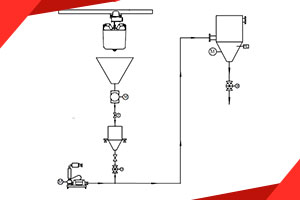
Raw dry bulk materials which are in powdered or granular forms are typically received from trucks, ships, or even trains and they are processed using bulk material handling systems like bulk solids conveying systems. Bulk solids handling systems utilize screw conveyors, pneumatic conveyors, belt conveyors and other related bulk material conveying systems to transfer dry solids from one point to another within a process line. Polimak bulk solids conveying systems allow smooth, fast and reliable transfer of bulk materials for numerous applications. Some of these applications may include; the transfer of bulk solids from sack or bag to storage silos, the conveying of dry bulk solids from bulk bag unloading stations to storage containers, the feeding of production lines from silos or hoppers and many other applications.

Bulk material loading systems

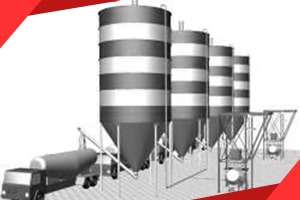
These are systems used to load dry bulk solids into bulk trucks, ships, storage silos and other related storage or containment objects. Dry bulk solids are frequently loaded at a production site using bulk material loading systems and they are transported to their site of use by means of suitable bulk vehicles. Bulk loading systems produced by Polimak include mobile bulk truck loading systems, ship loading systems, stockpile loading systems, big bag loading systems, tanker loading systems, hopper loading systems and many more.

Bulk Material Storage Systems

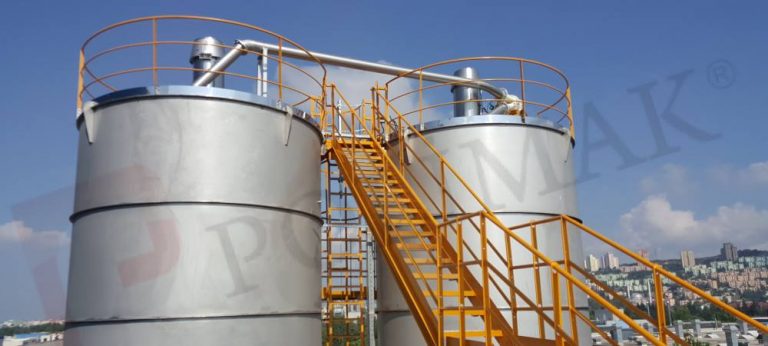
Powdered and granular dry bulk materials used in a broad range of industrial handling processes require safe and compacted storage systems. It is necessary for a bulk material handling system to have storage systems where dry solids are stored until they are required for usage. Polimak bulk material storage systems (silos, hoppers, bins) give dry bulk solids processors the ability to store large and small volumes of their dry solids. Our bulk solid storage systems ensure minimum ground space consumption, bulk material contamination prevention and optimal flow into downstream systems.

Bulk material discharge systems

Bulk solids are usually stored prior to being used, even if it is just for a relatively brief period of time. Their flow, dry bulk solids, varies when being discharged from storage systems. Bulk material handling systems utilize bulk material discharge systems to help stimulate or improve dry solids flow from bulk containers. In some operations, the downstream equipment is significantly influenced by the design of bulk solids discharging systems. Silo discharge systems, mixer discharge systems, tank discharge systems, big bag discharge systems, octabin discharge systems, bag dump systems, bulk truck unloading systems, tanker unloading systems, liner bag container unloading systems, and storage hopper discharge systems are among Polimak’s bulk material discharge systems.

Bulk material dosing systems

In several productive applications, it is necessary to develop formulations (based on bulk solids properties) required for dosing various products being processed. Bulk material dosing systems are used in bulk material handling systems to provide precise and accurate dosing. Dosing accuracy is critical for achieving an accurate bulk solids handling process when a consistent output is required. A combination of gravimetric or volumetric dosing systems and pneumatic conveying systems are used to feed bulk material mixers. Polimak provides a wide range of configurations depending on the process requirements.

Turnkey bulk material handling systems

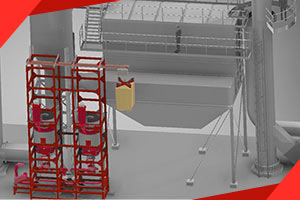
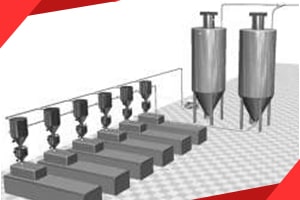
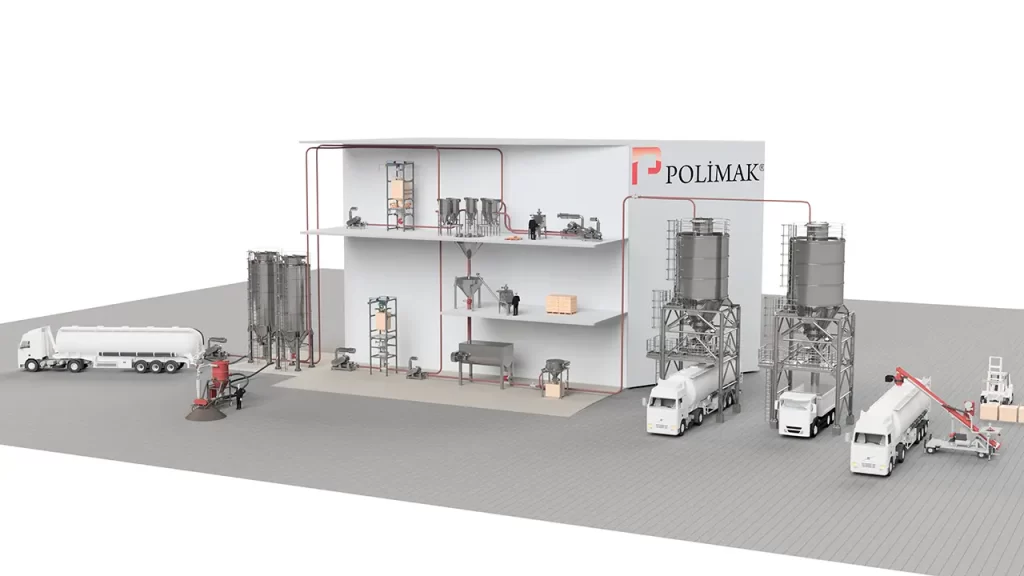
We provide turnkey bulk solid handling systems from raw material input to its output. Equipment for bulk solids loading, filling, discharging, conveying, mixing, dosing, feeding and weighing are combined to have a complete production line. Design, production, installation and commissioning services for production lines of a wide range of industries are available from one supplier.

Bulk material handling industries and applications

Bulk material handling is an essential aspect of any industry that processes dry bulk solids. Our experience within the industry of producing bulk handling systems allows us to design and produce cutting-edge bulk material handling systems used in various industries like cement, food, chemical, mining, plastics, agriculture etc., for numerous applications. We have the experience to design and supply our customers with the right bulk material handling systems to meet their requirements.

Agricultural Industry

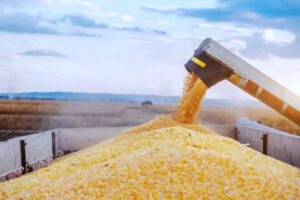
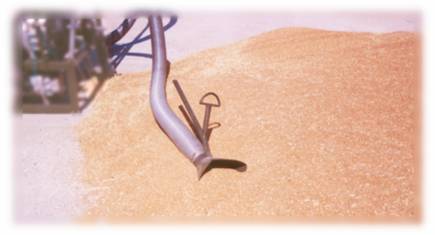
The agriculture industry benefits from the use of bulk material handling systems when processing bulk materials like soybeans, corn, wheat, rice and many other related products. Bulk solid conveying systems such as pneumatic conveyors, screw conveyors, belt conveyors are utilized to transfer bulk materials within process lines. Bulk solids storage systems, with storage silos being the most prevalent equipment, are used to store dry grains.

Wheat, flour, semolina, barley, oat, rye, bran, chaff, feed, seed, corn, chickpea, bean, lentil, pea, soybean, sesame, rice, rice flour, dried fruit, hazelnut, peanut, almond, sunflower seed, cottonseed, grain cereals, chestnut are some of the bulk materials that can be handled by bulk solids handling equipment and systems.

Food Industry

Food processing and manufacturing for both human and animal consumption is a huge industry that is still growing. Corn milling, sugar refining, coffee processing are some of the ways in which bulk material handling systems are utilized in the food industry. Polimak’s food-grade bulk material handling systems constructed from stainless steel having no crevices are ideal for handling food products.

Grains and powders like coffee grain, coffee powder, sugar, salt, flour, milk powder, corn, starch and spice can be conveyed, stored, loaded and fed by bulk solid handling systems. Food grade equipment are used in food industries.

Mining Industry

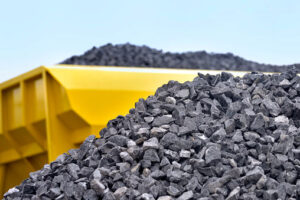
Raw materials such as limestone, quartz etc., mined from the Earth’s crust have to be processed before consumer use. In mining industries including cement, calcium carbonate (also known as calcite having a chemical formula CaCO3), lime etc. grinders are used to reduce feed material size in order to liberate minerals from barren rock. Ball mills are currently the most commonly used grinding machines in the mining industry. Ball mill operations make use of feeding systems like screw feeders to gradually feed raw material (e.g., ores) to a mill at consistent rates. The material size (part of it) is reduced and discharged via the mill’s outlet. Steady material discharge is very crucial throughout the process, hence bulk material discharge systems can be used at the outlet port to promote efficient and controlled bulk material discharge.

Power Industry

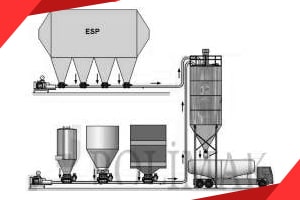
Internal combustion or combustion turbine conventional steam technologies are commonly used to generate electricity from fossil fuels such as coal, oil, or gas. A by-product of coal combustion, fly ash, is transported from baghouse filters and ESP systems to bulk material storage systems like silos. Using bulk material discharging systems, fly ash is discharged from storage and loaded into appropriate bulk vehicles or conveyed using conveying systems to plants for manufacturing (e.g, cement manufacturing).

Plastics Industry

In the plastics industry, storage, discharging, loading, and feeding of plastics such as polyvinyl chloride (PVC), polyethylene, polypropylene (PP), acrylonitrile butadiene styrene (ABS) and many other related plastics are done by using bulk material handling systems. Bulk solids (powdered and granular) are transferred between silos, mixers, and batching units by using conveying systems and fed into injection and extrusion machines by means of feeding systems.

Chemical Industry

Bulk solids handling systems are required to convey and process bulk materials in the chemical industry. Dry bulk solids like aluminum oxide, Titanium Dioxide (TiO2), urea, paint additives, and other related products are pneumatically conveyed on ship unloaders and barges by using conveying systems like roots blowers. Polimak designs and manufactures bulk solids systems for metering and conveying purposes.

Bulk Material Handling Systems FAQ

Also referred to as dry bulk solids or simply bulk solids, bulk materials are loose commodities usually found in powdered or granular forms. Some examples of bulk solids are sugar, salt, starch, flour, coffee beans, beans, rice, wheat, plastic pellets, sand, cement, coal, chemicals and many others.


Bulk material handling refers to the engineering process of designing mechanical systems for transporting and processing bulk materials. Bulk material handling is critical in a variety of industrial operations including mining, food, agriculture, plastics etc.


A bulk material handling system is a collective term used to refer to all the machinery used in processing bulk materials. Bulk material handling systems are essential in several industries for handling and storing dry bulk solids. Handling can be accomplished mechanically with the use of conveying systems like screws, belts etc., or pneumatically with the use of conveying air (pressure or vacuum). Other bulk handling systems include weighing, batching, dosing, dust collection, milling, and mixing.

Starch
Sugar
Coffee powder
Spices
Sodium sulphate
Sand
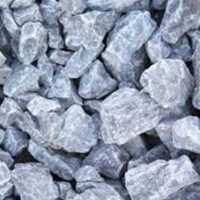
Limestone
Copper oxide
Cement
Salt
Alumina
Calcium carbonate
INSIGHTS

Suggested Industries

Explore our wide range of high-performance industrial systems designed for bulk solids handling.
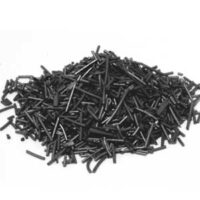
Activated Carbon Injection Systems

Activated Carbon Injection Systems are used for controlling emissions of dangerous gases from boiler flue gases. Powdered activated carbons (PAC) coming from big bag discharge systems or storage mediums are weighed and then pneumatically injected into flue gas ductworks to reduce emissions and air pollution.

Almond Loading, Unloading, and Conveying Systems

Almond is an agricultural product that can be conveyed using air pressure or vacuum. When almonds are transported pneumatically, issues with breakage—commonly caused by machinery or mechanisms like screw conveyors, belt conveyors, or bucket elevators—are eliminated. Furthermore, since almond flour and dust are conveyed within enclosed piping systems, no dust is released into the surrounding environment. This provides significant advantages in terms of food safety and plant hygiene.

Bean Loading, Unloading, and Conveying Systems

Dry beans are an agricultural product that can be conveyed using air pressure or vacuum. When whole beans are transported by air, breakage issues that typically occur in mechanical machinery such as screw conveyors, belt conveyors, or bucket elevators do not occur. Since dusty material is conveyed within enclosed pipelines, dust is not emitted into the environment, thereby providing key advantages such as food safety and plant hygiene.

Bran Loading, Unloading, and Conveying Systems

Bran is a semi-finished product obtained after milling wheat; it originates from the wheat husk. Bran can be easily conveyed using air pressure or vacuum systems. Pneumatic systems are suitable for use in flour and bran production plants.

Broad Bean Loading, Unloading, and Conveying Systems

Broad beans are one of the essential legume products. Whole broad beans are an agricultural product that can be conveyed using air pressure or vacuum. When whole broad beans are transported by air, breakage issues that typically occur in machinery such as screw conveyors, belt conveyors, or bucket elevators do not occur. Because dusty material is conveyed within enclosed pipelines, dust emission into the environment is prevented, thereby providing advantages such as food safety and plant hygiene.

Calcite Conveying and Dosing Systems

Calcium carbonate is also known as calcite, with the chemical formula CaCO3. Calcite is a widely used bulk material in industrial processes. Some of its application areas include paint and surface coating, plastics, paper, glass, cable, construction, chemicals, food, and ceramics. In these industrial sectors, calcite (calcium carbonate) can be conveyed to the desired locations, precisely dosed, and stored where needed.

Canola Loading, Unloading, and Conveying Systems

Canola (rapeseed) is an important cultivated plant whose seeds contain a high percentage of oil. Canola seeds are an agricultural product that can be conveyed using air pressure or vacuum. When canola seeds are transported by air, there are no breakage issues that typically occur in machinery such as screw conveyors, belt conveyors, or bucket elevators.

Cement Transfer Facility

Cement transfer facilities are use to load, discharge, store and package large amount of cement in ports , logistics centers and industrial plants. Big bag discharge systems, bulk truck loading systems, temporary storage silos, cement bagging machines are some of the main components of cement transfer facilities.

Cereal Loading, Unloading, and Conveying Systems

Cereals and cereal products can be conveyed using air pressure or vacuum. When cereal products are transported by air, there are no breakage issues that typically occur in machinery such as screw conveyors, belt conveyors, or bucket elevators. Because dust from cereals is conveyed within enclosed pipelines, dust emission into the environment is prevented, thereby providing advantages such as food safety and plant hygiene.

Chickpea Loading, Unloading, and Conveying Systems

Chickpeas are one of the essential legume products. They are an agricultural product that can be conveyed using air pressure or vacuum. When chickpeas are transported by air, breakage issues that typically occur in machinery such as screw conveyors, belt conveyors, or bucket elevators do not occur. Because dusty material is conveyed within enclosed pipelines, dust emission into the environment is prevented, thereby providing advantages such as food safety and plant hygiene.

Coffee Loading, Unloading, and Conveying Systems

Coffee beans or coffee powder can be conveyed using air pressure or vacuum. When whole bean coffee is transported by air, breakage issues that typically occur in machinery such as screw conveyors, belt conveyors, or bucket elevators do not occur. Because coffee powder is conveyed within enclosed pipelines, dust emission into the environment is prevented, thereby providing advantages such as food safety and plant hygiene.

Corn Loading, Unloading, and Conveying Systems

Pneumatic conveying systems are utilized to transport corn using air pressure or vacuum. Since corn is conveyed by air, there is no grain breakage—a common issue in mechanical machinery such as screw conveyors, belt conveyors, or bucket elevators. Because corn flour and dust are conveyed within enclosed pipelines, dust emission into the environment is prevented, thereby providing key advantages such as food safety and plant hygiene. Pneumatic conveying enables the transfer of whole corn, corn flour, and corn-based products in powdered or granular form.

Cottonseed Loading, Unloading, and Conveying Systems

Pneumatic conveying systems are utilized to transport cottonseed using air pressure or vacuum. Since cottonseed is conveyed by air, there is no breakage problem commonly caused by mechanical machinery such as screw conveyors, belt conveyors, or bucket elevators. Because cottonseed and its dust are conveyed within enclosed pipelines, dust emission into the environment is prevented, thereby providing key advantages such as plant hygiene.

Dosing Applications in Ferrous Sulfate Feeding

These systems are designed to feed Ferrous Sulfate stored in big bags, silos, or similar storage units into cement packaging lines and dose it according to the Cr+6 ion concentration in the cement content.

Feed Loading, Unloading, and Transport Systems

In feed production and utilization, pneumatic feed conveying systems offer a practical alternative to screw conveyors, bucket elevators, and belt conveyors during tasks such as transferring feed, conveying raw materials to and from crushers and mixers, and handling feed packaging or bagging lines. These systems enable the transfer of cattle feed, small ruminant (sheep and goat) feed, poultry feed, fish feed, and pelletized feed via air pressure and vacuum in processing plants and farms.

Flour Loading, Unloading, and Conveying Systems

Flour conveying systems are utilized in applications such as bag discharging, silo transfer, silo discharge, feeding into boilers, mixers or blenders, bag filling, and dosing. Since flour and flour-based mixtures are transported via air within enclosed pipelines, dust is not emitted into the environment—unlike mechanical machinery such as screw conveyors or bucket elevators. Consequently, significant advantages in food safety and hygiene are achieved.

Fly Ash Handling Systems

Fly ash is created in power plants that use coal or biomass for energy source. Fly ash handling systems are used to collect, transport and store fly ash providing clean and safe environment.

Grain Loading, Unloading, and Conveying Systems

Grain and grain products can be conveyed using air pressure or vacuum. Pneumatic conveying eliminates the breakage issues often associated with mechanical systems such as screw conveyors, belt conveyors, or bucket elevators. Since the grain is transported through enclosed pipes, dust is not released into the surrounding environment, thereby ensuring benefits such as food safety and plant hygiene.

Hazelnut Loading, Unloading, and Conveying Systems

Pneumatic conveying systems are utilized to transport hazelnuts using air pressure or vacuum. Since hazelnuts are conveyed by air, there is no breakage problem commonly caused by mechanical machinery such as screw conveyors, belt conveyors, or bucket elevators. Because hazelnut flour and dust are conveyed within enclosed pipelines, dust emission into the environment is prevented.

Lentil Loading, Unloading, and Conveying Systems

Lentils are an agricultural product that can be conveyed using air pressure or vacuum. When whole lentils are transported by air, breakage issues that typically occur in mechanical machinery such as screw conveyors, belt conveyors, or bucket elevators do not occur. Since dusty material is conveyed within enclosed pipelines, dust is not emitted into the environment, thereby providing key advantages such as food safety and plant hygiene.

Millet Loading, Unloading, and Conveying Systems

Millet is one of the essential agricultural products. It is used as human food and mixed with other grains for animal feed. Millet grains can be conveyed using air pressure or vacuum. When whole grain millet is transported by air, breakage issues that typically occur in machinery such as screw conveyors, belt conveyors, or bucket elevators do not occur. Because millet flour and dust are conveyed within enclosed pipelines, dust emission into the environment is prevented, thereby providing advantages such as food safety and plant hygiene.

Nuts Loading, Unloading, and Conveying Systems

Dried nuts and snacks consist of agricultural products such as hazelnuts, peanuts, seeds, almonds, and roasted chickpeas, as well as their processed forms. Nuts are products that can be conveyed using air pressure or vacuum. When nuts are transported by air, there are no breakage issues that typically occur in machinery such as screw conveyors, belt conveyors, or bucket elevators. Because dust from nuts is conveyed within enclosed pipelines, dust emission into the environment is prevented, thereby providing advantages such as food safety and plant hygiene.

Oat Loading, Unloading, and Conveying Systems

Oat grains can be conveyed using air pressure or vacuum. When whole oats are transported by air, breakage issues that typically occur in mechanical machinery such as screw conveyors, belt conveyors, or bucket elevators do not occur. Since the dusty material is conveyed within enclosed pipelines, dust is not emitted into the environment, thereby providing key advantages such as food safety and plant hygiene.

Pea Loading, Unloading, and Conveying Systems

Peas are an agricultural product that can be conveyed using air pressure or vacuum. When whole peas are transported by air, breakage issues that typically occur in mechanical machinery such as screw conveyors, belt conveyors, or bucket elevators do not occur. Since dusty material is conveyed within enclosed pipelines, dust is not emitted into the environment, thereby providing key advantages such as food safety and plant hygiene.

Peanut Loading, Unloading, and Conveying Systems

Peanuts and peanut kernels are an agricultural product that can be conveyed using air pressure or vacuum. When peanuts are transported by air, there are no breakage issues that typically occur in machinery such as screw conveyors, belt conveyors, or bucket elevators. Because peanut flour and dust are conveyed within enclosed pipelines, dust emission into the environment is prevented, thereby providing advantages such as food safety and plant hygiene.

Pistachio Loading, Unloading, and Conveying Systems

Pistachios are an agricultural product that can be conveyed using air pressure or vacuum. They can be transported both in-shell and as kernels. When pistachios are transported by air, breakage issues that typically occur in machinery such as screw conveyors, belt conveyors, or bucket elevators are avoided. Because pistachio flour and dust are conveyed within enclosed pipelines, dust emission into the environment is prevented, thereby providing advantages such as food safety and plant hygiene.

Plastics Injection and Extrusion Machine Feeding Systems

Central plastics feeding systems are used to transfer PVC, PP, PE, HDPE type plastic materials from storage silos or mixers to large number of injection moulding or extrusion machinery automatically.

Pneumatic Bulgur Conveying, Loading, and Unloading Systems

Bulgur is a quick-cooking form of whole wheat. Conveying bulgur from various environments using air pressure and vacuum can be performed easily. Because bulgur is transported by air in a pneumatic system, there are no breakage issues that typically occur in machinery such as screw conveyors, belt conveyors, or bucket elevators. Pneumatic systems are safely utilized in flour, bulgur, and bulgur processing plants.

Pneumatic Loading, Unloading, and Conveying of Barley

Barley and malt are agricultural products that can be easily conveyed from various sources using air pressure and vacuum. Since they are transported by air, there is no breakage problem commonly caused by mechanical machinery such as screw conveyors, belt conveyors, or bucket elevators.

Pumpkin Seed Loading, Unloading, and Conveying Systems

Pumpkin seeds are an agricultural product consumed as a snack. When transported using air pressure or vacuum, there are no breakage issues that typically occur in machinery such as screw conveyors, belt conveyors, or bucket elevators.

Rice and Paddy Loading, Unloading, and Conveying Systems

Rice and paddy are agricultural products that can be conveyed using air pressure or vacuum. Breakage issues caused by screw conveyors in paddy drying machines and rice mills do not occur in pneumatic conveying systems. Consequently, the economic value of the product is preserved.

Roasted Chickpea Loading, Unloading, and Conveying Systems

Roasted chickpeas are an agricultural product that can be conveyed using air pressure or vacuum. When roasted chickpeas are transported by air, there are no breakage issues that typically occur in machinery such as screw conveyors, belt conveyors, or bucket elevators. Because roasted chickpea dust is conveyed within enclosed pipelines, dust emission into the environment is prevented, thereby providing advantages such as food safety and plant hygiene.

Rye Loading, Unloading, and Conveying Systems

Rye grains can be conveyed using air pressure or vacuum. When whole rye is transported by air, breakage issues that typically occur in mechanical machinery such as screw conveyors, belt conveyors, or bucket elevators do not occur. Since the dusty material is conveyed within enclosed pipelines, dust is not emitted into the environment, thereby providing key advantages such as food safety and plant hygiene.

Salt Loading, Unloading, and Conveying Systems

Salt is most commonly produced by evaporating saltwater in shallow ponds. It is also extracted from underground deposits using solution mining, where hot water dissolves the salt into a slurry for pumping, which is then crystallized using pan or vacuum methods. The mobile pneumatic system vacuums salt from the source and conveys it using air pressure. It operates easily with a single user while transferring salt gently without breakage.
It reaches areas inaccessible to screw conveyors, conveying horizontally and vertically. Driven by electric, diesel, or tractor power, it features a compact design suitable for vehicle mounting.

Seed Loading, Unloading, and Conveying Systems

Seeds of wheat, barley, corn, chickpeas, beans, lentils, peas, soybeans, sesame, sunflowers, cotton, canola, and various grains can be transported using air pressure or vacuum. When seeds are transported via air, the problem of breakage—often associated with machinery or mechanisms such as augers, conveyors, or bucket elevators—is eliminated.

Semolina Loading, Unloading, and Conveying Systems

Semolina can be easily conveyed from various sources using air pressure and vacuum. Since semolina is transported by air in a pneumatic conveying system, there is no degradation or breakage issue commonly caused by mechanical equipment such as screw conveyors, belt conveyors, or bucket elevators. Pneumatic systems are safely used in flour and semolina mills.

Sesame Loading, Unloading, and Conveying Systems

Sesame and sesame seeds are agricultural products that can be conveyed using air pressure or vacuum. When sesame seeds are transported by air, breakage issues that typically occur in mechanical machinery such as screw conveyors, belt conveyors, or bucket elevators do not occur. Since dusty material is conveyed within enclosed pipelines, dust is not emitted into the environment, thereby providing key advantages such as food safety and plant hygiene.

Soybean Loading, Unloading, and Conveying Systems

Soybeans are an agricultural product that can be conveyed using air pressure or vacuum. When whole soybeans are transported by air, breakage issues that typically occur in mechanical machinery such as screw conveyors, belt conveyors, or bucket elevators do not occur. Since dusty material is conveyed within enclosed pipelines, dust is not emitted into the environment, thereby providing key advantages such as food safety and plant hygiene.

Spice Loading, Unloading, Conveying, and Weighing Systems

In pneumatic spice conveying systems, different systems are used for different applications. Spices in powder, granule, and particle form can be conveyed without damage using these systems. It is possible to load, weigh, and transport spices in powdered, particle, and granular forms.

Sunflower Seed Loading, Unloading, and Conveying Systems

Sunflower seeds are an agricultural product that can be conveyed using air pressure or vacuum. When sunflower seeds are transported by air, breakage issues that typically occur in mechanical machinery such as screw conveyors, belt conveyors, or bucket elevators do not occur.

Wheat Loading, Unloading, and Conveying Systems

Wheat can be easily conveyed from various sources using air pressure and vacuum. Since wheat is transported by air in a pneumatic conveying system, there is no wheat breakage—a common issue in mechanical equipment such as screw conveyors, belt conveyors, or bucket elevators—effectively preventing grain degradation.

Discover our amazing products today

Discover our amazing products today
Join our newsletter to stay up to date on features and releases.

By subscribing you agree to with our Privacy Policy and provide consent to receive updates from our company.

© 2024 Polimak. All rights reserved. Design & Development by brain.work
Contact Us