Please install Yoast, RankMath, or SEOPress to use breadcrumbs.
The Differences between IoT and IIoT
kenan@brain.work
September 22nd, 2026
Keeping pace with advancements in technology and how they impact our daily errands (both on an industrial scale and a domestic scale) is an ongoing quest. Any unnoticed developments can cost industrial a great deal, even though keeping abreast of technology is not an easy feat.
Internet and networking technologies combine to bring IoT products to homes and industries. Instead of diving into the similarities and differences between IoT and IIoT, it is of great importance to understand the basic concepts of both IoT and IIoT.
What are IoT and IIoT?
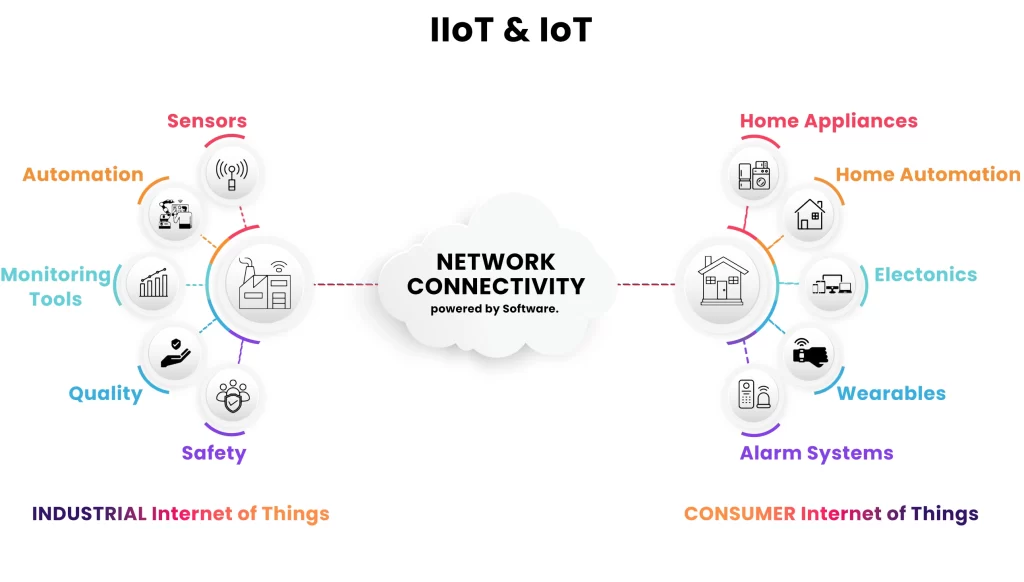
IoT is an abbreviated name for the Internet of Things. IoT refers to physical objects (“Things”) embedded with sensors, software and other processing technologies that permit these things to connect and transmit data with other devices and systems through the internet or a communication network.
IoT devices may include refrigerators, air conditioners and activity trackers. Take for instance a refrigerator – a smart refrigerator, that allows users to monitor various groceries inside the refrigerator in real-time from anywhere, thus enabling them to make necessary orders for the groceries missing in the refrigerator. Some smart refrigerators allow users to monitor the expiry dates on their groceries for safe and healthy food consumption.
The idea or concept of an interconnected web of “things” forms a foundation for IIoT. IIoT is an abbreviation for Industrial Internet of Things. It is a subcategory of IoT that refers to a unified interconnection system of sensors, machinery and other industrial equipment through the internet and/or business intelligence (BI). In simpler terms, IIoT is considered as the interconnection between people and industrial systems and machinery. It integrates industrial automation, business assets and predictive analytics in one place. The Industrial Internet of Things promotes universal data usage with the switch to data democratization which transforms the scenery of manufacturing industries. Data democratization enables plant operators to utilise data as an everyday tool.
Comparisons: Similarities and Differences
Before discussing the differences between the Internet of Things and the Industrial Internet of Things, let us go through some of the similarities first.
Similarities between IoT and IIoT
IoT and IIoT both share common concepts and technologies of smart equipment connectivity and cloud computing to establish a system (always online) that collects data to help users make informed decisions. Some of the few tangible similarities between IoT and IIoT include the following:
They both necessitate a cloud computing framework.
They both necessitate Machine Learning (ML) and Artificial Intelligence (AI) to ensure smart decision-making.
They both utilise common input/output devices, for instance, sensors, cameras, microphones etc.
Affordable and high-speed internet connection is an essential resource for both IoT and IIoT.
Differences between IoT and IIoT
Although there exists a handful of similarities between IoT and IIoT, they have a quite several distinctions. The following are some of the basic IoT and IIoT differences that can be considered.
ATTRIBUTES
Industrial Internet of Things – IIoT
Internet of Thing – IoT
Focus Segment
Industrial applications.
Domestic/commercial applications.
Interest
Complex industrial processes optimization via smart devices.
Daily task automation through consumers devices.
Objective
Aimed at automating machinery to ensure safety, efficiency and sustainability.
Aimed at rendering convenience. Simply making the user’s life easy.
Connectivity
Both wired and wireless.
Usually wireless.
Cybersecurity
More advanced and robust cybersecurity protocols.
Generally less sophisticated cybersecurity protocols (utility-centric).
Interoperability
CPS-integrated – interoperations with new and legacy technologies like ERP, warehousing solution etc., and must operate reliably with these technologies.
Autonomous – devices usually operate individually, sometimes with one or two different devices.
Industrial internet of things brings machines, sensors, cloud computing, and people together to improve the productivity of industrial processes. With IIoT, industrial companies can digitize processes and transform business models with the help of asset management, condition monitoring and predictive maintenance technologies. Polimak has been developing softwares for industrial applications. Process, control applications, PLC automation, IOT , graphical design and CAD utilities, mechanical engineering softwares are in our product range.
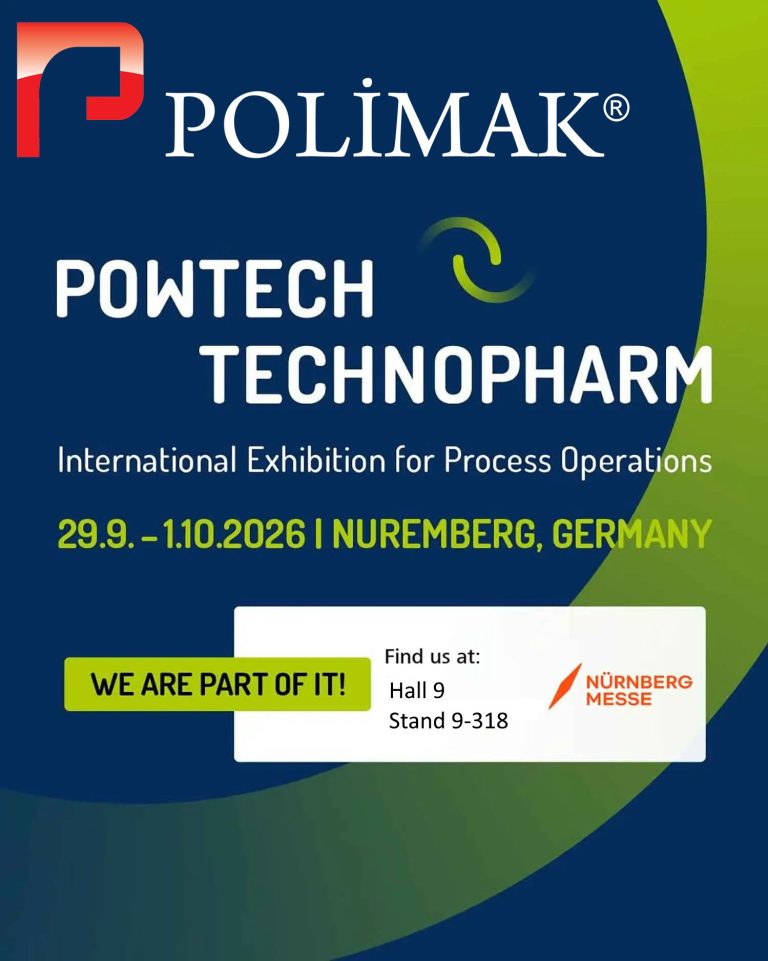
Join Polimak at POWTECH 2026! We are excited to invite you to visit Polimak at POWTECH, the world’s leading trade fair for powder, granule, and bulk solids technologies! As global supply chains evolve, efficient transloading is critical to keeping operations seamless. At this year’s event, we are showcasing our advanced bulk material handling systems engineered for sustainable, low-labor operations.
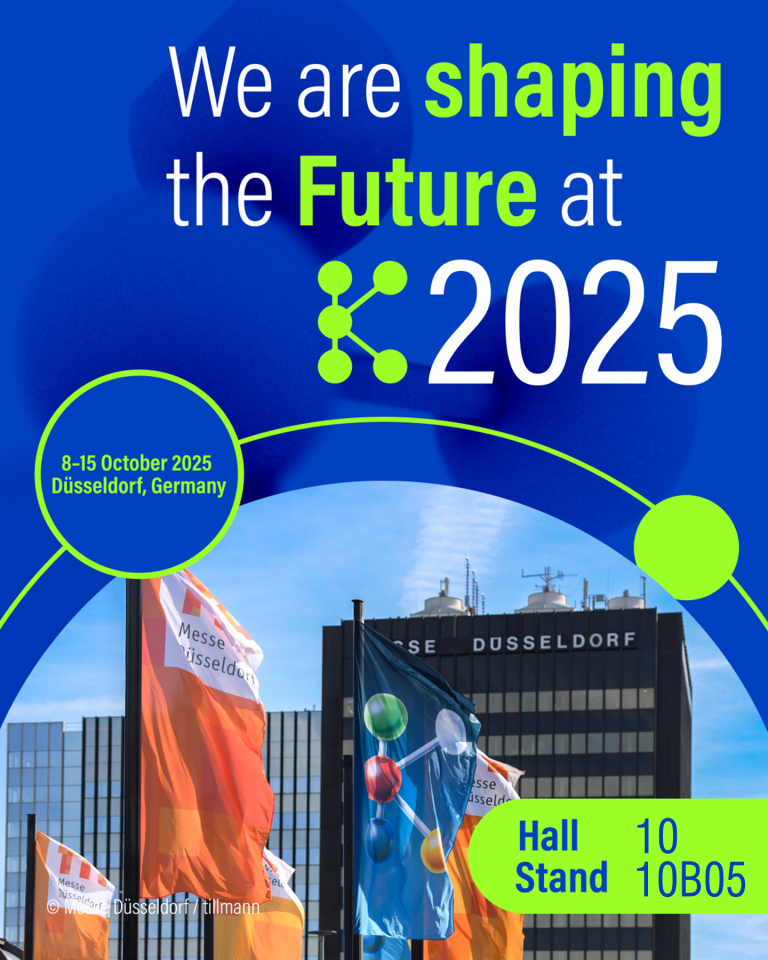
POLİMAK is getting ready for K 2025 — the world’s No. 1 trade fair for plastics and rubber. We are excited to participate in this prestigious gathering, where a wide range of products and services in the fields of machinery, equipment, raw materials, and measuring technology will be presented…
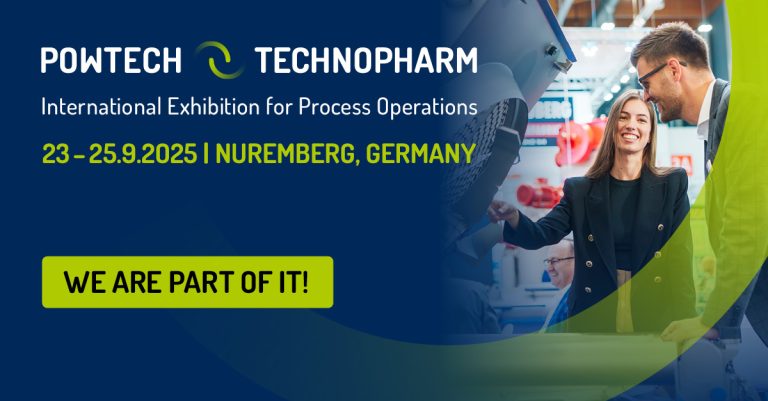
We will be attending the international POWTECH Technopharm exhibition from September 23 to September 25, 2025, in Nuremberg, Germany. POWTECH Technopharm is a leading European trade fair held in Germany, uniting experts and companies involved in processing technologies for powders, bulk solids, and liquids…
We are thrilled to announce our participation at Powtech 2023, where industry leaders, innovators, and experts gather to showcase their latest advancements in powder and bulk solids technology. As a renowned provider of cutting-edge solutions for bulk material handling, Polimak is excited to present its innovative products and expertise at this prestigious event.