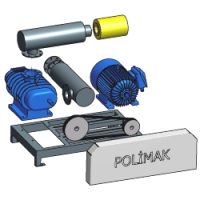
Blower Options & Accessories
Wide range of roots blower models and configurations are available for different applications, process parameters and environment conditions.

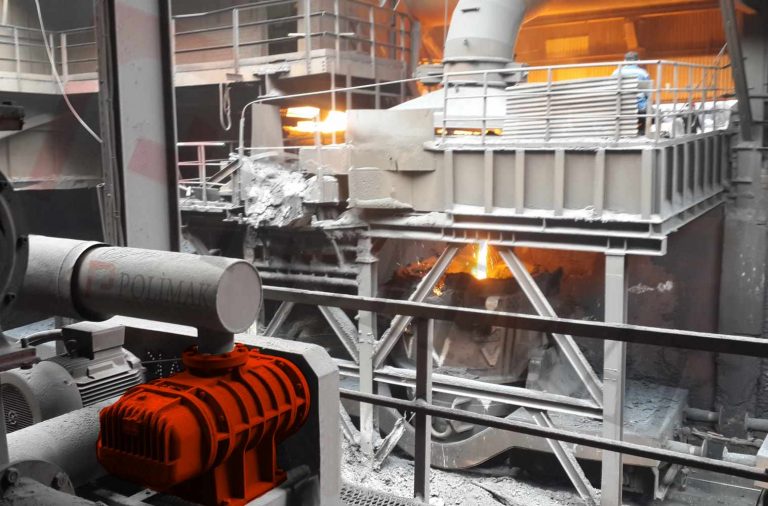
Roots blowers are rotary lobe compressors that generate pressurized or vacuum air for industrial processes. By utilizing positive displacement technology, rotary lobe blowers find use in applications, which require relatively constant air flow rate at varying discharge pressure conditions. These air and gas handling systems have been used for over a century in many industries.
Design, production and installation of proper equipment for harsh environments and toughest applications requires a great deal of know-how and long years of experience. Polimak manufactures roots type positive displacement blower packages for extensive range of industrial applications. Simple installation, low maintenance need, long years of problem free service, endurance for harsh environments are key features of Polimak blowers. Wide range of roots blower models and accessories are available depending on process parameters and site conditions.
Main components of the blower are two impellers (also referred as rotors or lobes). These impellers rotate in opposite directions. As they rotate, a fixed quantity of gas at the inlet side is trapped between the impeller and the casing. The rotating impeller pushes the trapped gas to the discharge side against whatever pressure exists in the system. The cycle repeats six times with every revolution.
Rotary positive displacement pump, also referred to as positive displacement (PD) blowers or roots blowers, are machines that “pushes” a relatively constant volume of gas through a system. Unlike compressors, a roots blower does not internally compress the gas. The compression is achieved through the blower pushing the constant volume against restrictions downstream in a pressure system. Flow through a PD machine is relatively constant, regardless of pressure changes. This is different from a centrifugal compressor, which maintains a relatively constant pressure while the flow varies.
Since blower impellers do not make contact with each other and housing, no lubrication is required in gas conveying chamber. Therefore there exists no extra material in the conveying medium. This feature makes roots blowers have a great advantage in applications that require clean air or gas like aquaculture, milling, pneumatic conveying of foods and, chemicals.
Positive displacement blowers can be delivered as bare shaft units.
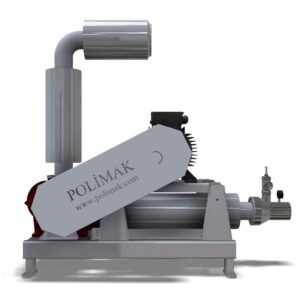
For an easy installation option, blowers can be prepared within a package unit which contains electrical motor, silencers and other accessories.
Rotary lobe blower is a positive displacement pump that uses two impellers (rotors or lobes) to displace a fixed quantity of gas. The gas is forced out of the discharge side against whatever pressure exists in the system. This type of pump is often used in industrial applications to move gases that require relatively constant flow rate at varying pressure conditions. The main benefit of using a Roots blower is its ability to maintain high efficiencies over a wide range of flow rates. This makes it an ideal choice for many industrial applications.
“Rotary lobe blowers” , “rotary lobe compressors” are other names of “roots blowers” used in industry. The term “Roots Blower” was named after American inventors and brothers Philander and Francis Marion Roots, who in 1854 attempted to improve the efficiency of their water wheel power in Connersville. They patented the basic design in 1860 and The Roots Rotary Positive Blower Principle is now well known throughout the world. and still serves as a fundamental technology for reliable, positive displacement pneumatic conveying and gas compression systems today.
Twin lobe rotary air blowers belong to category of positive displacement blowers. They consist of a pair of “lobes” or “rotors” inside an oval shaped casing, closed at ends by side plates. The two lobes are driven by a pair of precision machined gears which rotate at same speed but in opposite direction. As the rotors rotate, air or gas is drawn into inlet side of the blower housing and forced out the outlet side against system pressure. With each revolution, six such volumes are displaced (in tri-lobe blowers). The air, which is forced out, is almost not allowed to come back due to the small clearances between rotors and casing. Only little amount of air can “SLIP” back through the clearances.
Positive displacement pumps are called so because of no fluid comes back to its casing during pumping out. A locking is formed by lobes or rotors, that acts like a seal and whole amount of fluid goes through delivery line. A positive displacement blower has an expanding cavity on the suction side and a decreasing cavity on discharge side. Gas flows into the expanding cavity at the inlet side and then the same amount of gas is discharged as the cavity reduces at the outlet side. Thus a constant flow is maintained by the pump. This amount is called positively displaced amount and that’s why its called positive displacement blower.
As there is no change in volume of the air and there is no compression within the blower, it merely displaces the air from the suction end to the discharge end. The pressure increase occurs at the discharge end against the system resistance. Similarly the increment of cavity at the suction side develops the suction pressure in vacuum applications.
Positive displacement technology enables roots blowers to be used in industrial applications that require relatively constant flow rates at varying pressure conditions.
Compressors, fans, and blowers are widely used in wide range of industrial applications. These devices are quite suitable for complex processes and have become indispensable for today’s industry. Generally speaking, fans, blowers and compressors are differentiated by the method used to move the air and by their compression ratio (or in other terms by the system pressure they must operate against).
Classification With Respect to Compression Ratio
|
Type |
Compression Ratio |
Average Operating Pressure * |
|
Fan |
0 – 1,3 |
0 – 0,25 bar |
|
Blower |
1,1 – 2,5 |
0,15 – 2 bar |
|
Compressor |
> 2 |
3 – 12 bar |
* Average operating pressure is the pressure range that the system is generally used in today’s industrial applications.
With respect to recent developments in gas handling technologies, it is not easy to define a strict pressure range, compression ratio or method of gas pumping for each type of air handling system. i.e. high pressure fans can reach 0,4 bar and they can still be called either as a fan or a blower depending on industrial application, country or sector. Another example is single stage turbo blowers which follow the compression principle of the centrifugal compressors and they are called blowers instead of compressors.
Fans are used to move large amounts of gas with a low increase in pressure. They are generally used for air circulation in buildings, ventilation, cooling of machinery, dust collection and similar industrial applications.
Blowers provide medium amount of gas pressure or vacuum with moderate pressure levels. Blowers are used in processes where the system resistance is higher than that for a fan. They are used in water treatment, pneumatic conveying systems, vacuum applications, industrial processes, superchargers etc.
Compressors provide higher pressures by reducing the volume of gases. They are used across the industries to provide shop or instrument air; to power air tools, paint sprayers, and abrasive blast equipment; to phase shift refrigerants for air conditioning and refrigeration; to propel gas through pipelines; etc.
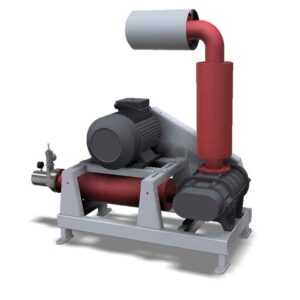
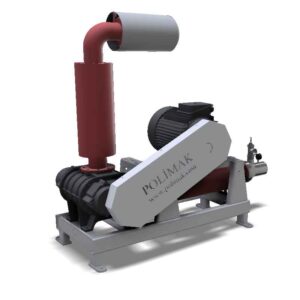
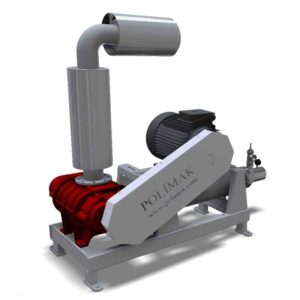
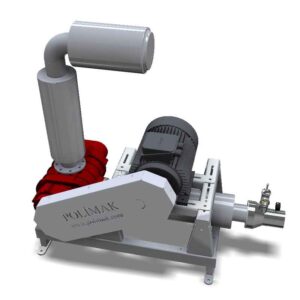
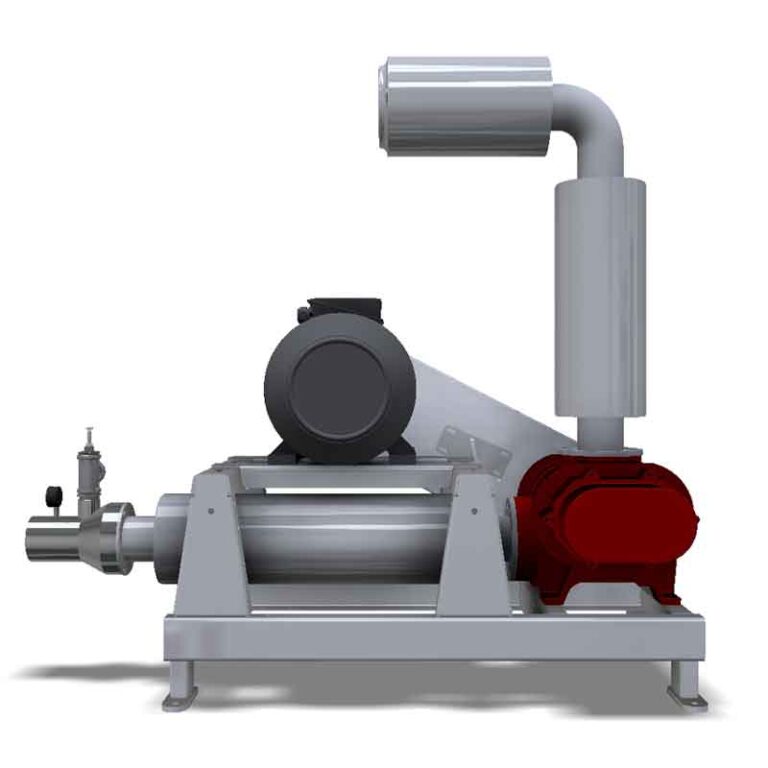
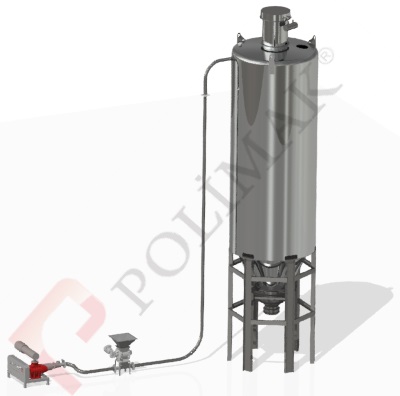
Pneumatic conveying system are used to transfer powders, granules, and other dry bulk materials through an enclosed pipeline. The motive force for this transfer comes from a combination of pressure differential and the flow of a gas, such as air or nitrogen. Positive displacement blowers generate pressurized or vacuum air to provide the pressure differential along the pipeline.
Depending on type of application, pneumatic conveying systems can be designed in four different configurations:
Proper selection of roots blowers play crucial role in overall performance of pneumatic conveying systems. Physical and chemical properties of bulk material, transfer capacity, conveying distance, environment conditions are key factors to be used in determination of proper type and sizing of roots blower.
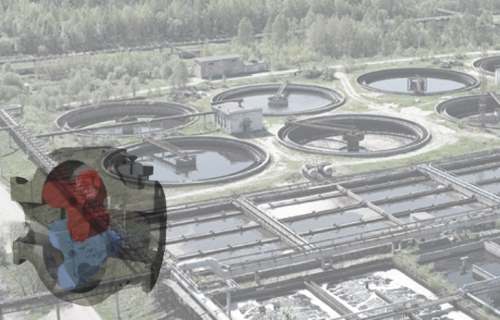
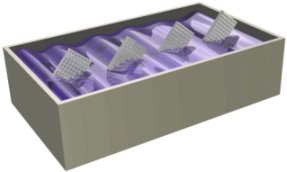
In biological waste water treatment plants aeration chambers are utilized to remove organic content from the water. Microorganisms are used to brake down the organic material in waste water. Roots blowers supply required oxygen to microorganisms in the aeration chamber. Pressurized air is delivered through aeration pads below the chamber. The air that bubbles up not only provides oxygen to the process, but also keeps the microorganisms suspended in the water so they don’t settle out. Depending on biochemical oxygen demand, rotary lobe blowers provide desired amount of constant volume of air flow. Proper selection and sizing of roots blowers play crucial role on economical operation of a wastewater treatment plant.
The field of operation that the rotary lobe blower system will be subjected to consists of the following parameters:
Roots blowers supply air and provide mixing of pools in surface treatment processes like galvanizing, chrome plating. The oil free air of blowers is important to keep the surface treatment liquid clean.
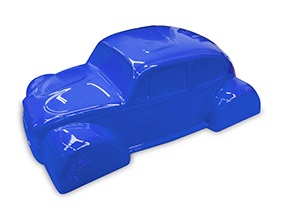
In thermal forming, a pattern is made to represent the inside surface of an object. A thin plastic sheet is placed over the pattern and it is heated by hot air generally. After a certain temperature level sheet plastic becomes very flexible. Roots blower removes the air between the pattern and the plastic sheet by vacuum and atmospheric pressure pushes the plastic down tightly over the pattern. After cooling, the formed piece is removed and trimmed.
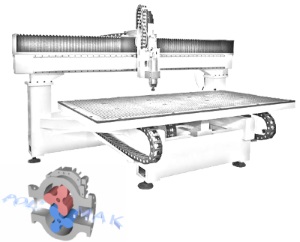
Vacuum tables are used to hold sheet materials for mechanical processing. Router machines utilize vacuum pumps to prevent movement sheet material during cutting. Roots blower pumps provide vacuum air for these applications.
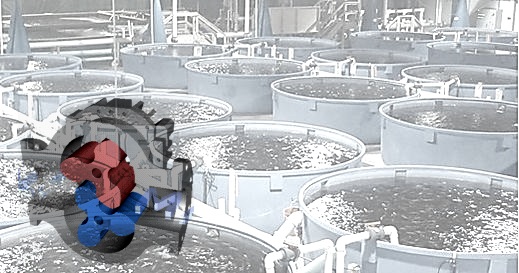
Roots type blower pumps supply continuous fresh air for fish farms (for fish aeration) and aquaculture applications. Fish ponds and tanks are to be fed by air to supply oxygen to fish inside. Positive displacement blowers provide continuous air for aquaculture applications.
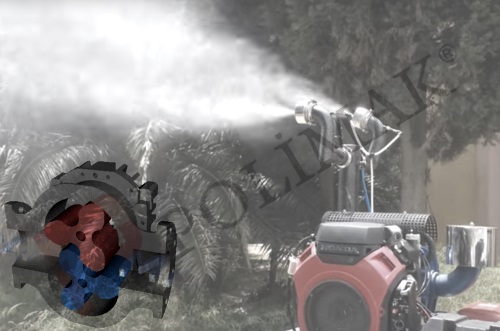
ULV (ultra low volume) fogging machines are used to fight with insects. High pressure air about 400 – 500 mbar is used to spray insecticide with very low size. This makes insecticide kept on air for long times and increases its efficiency. Roots blowers supply the required air for ulv systems.
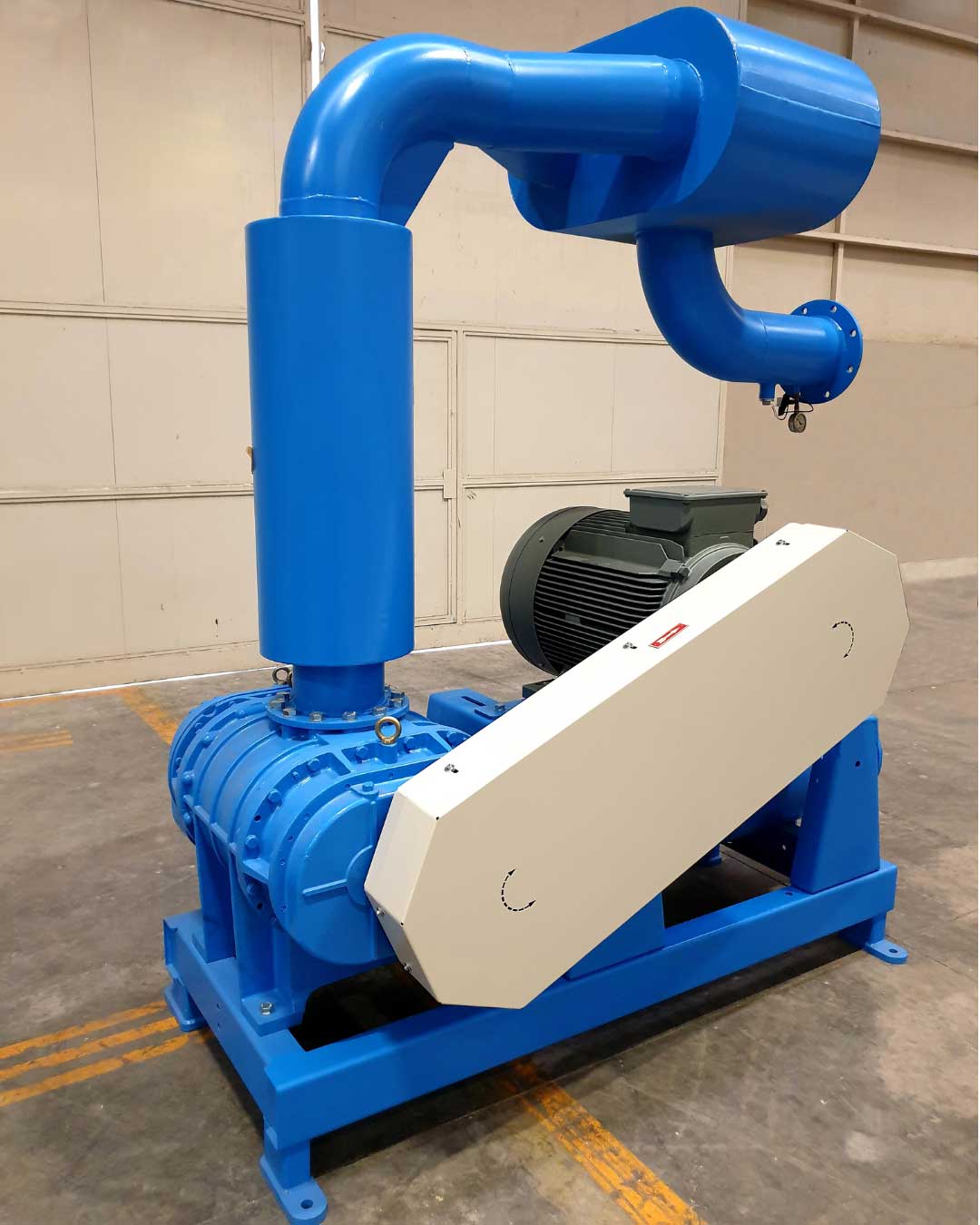
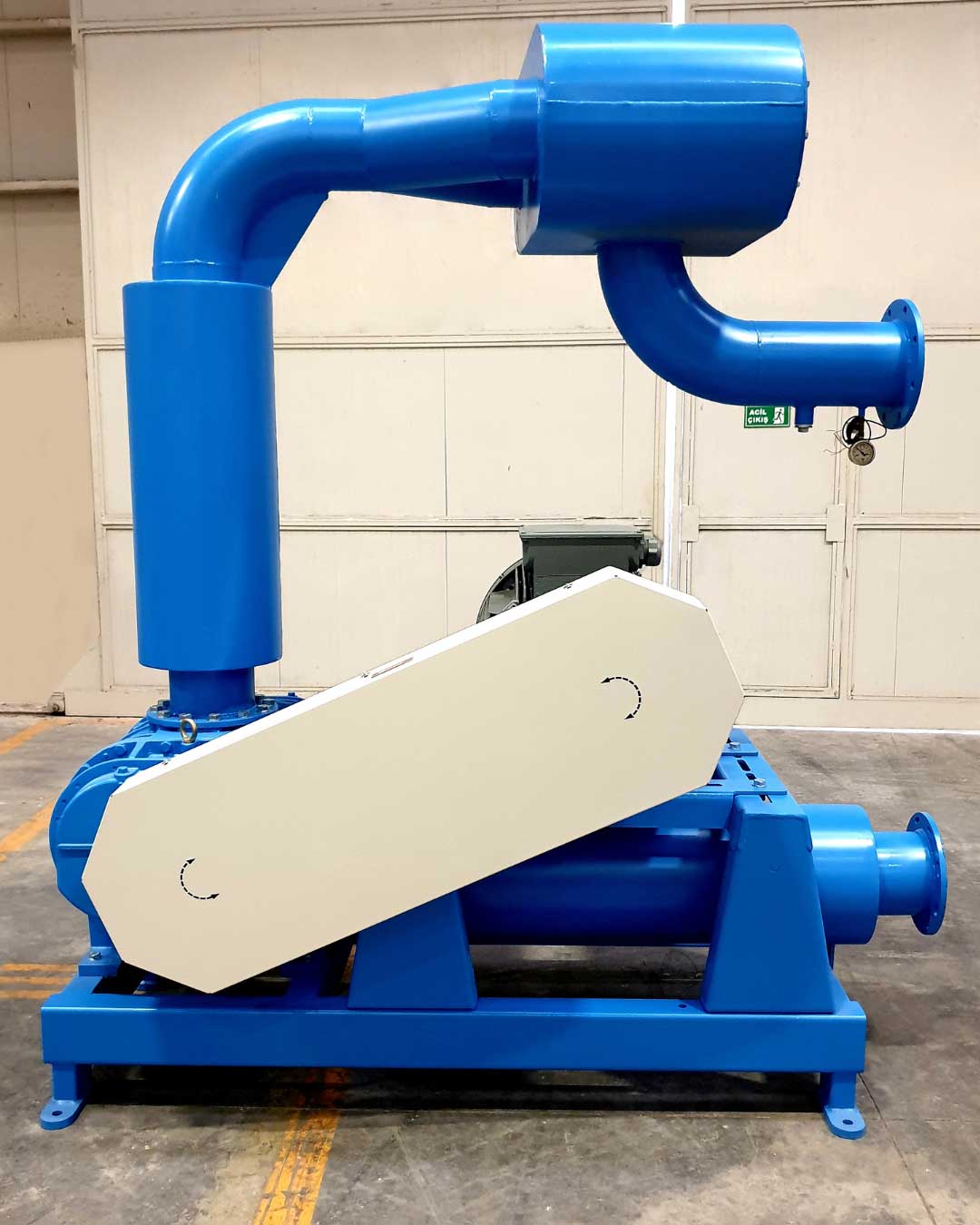
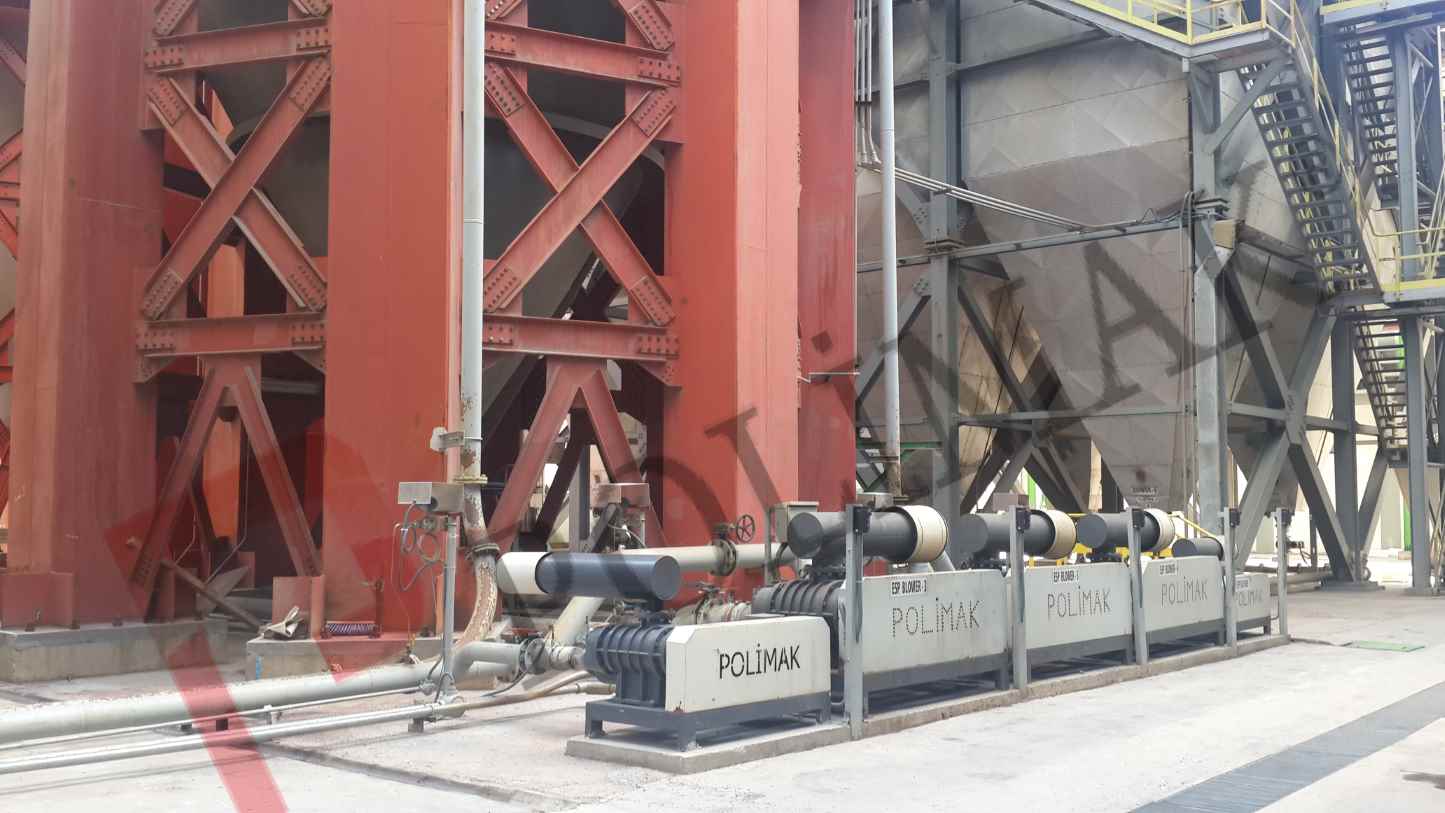
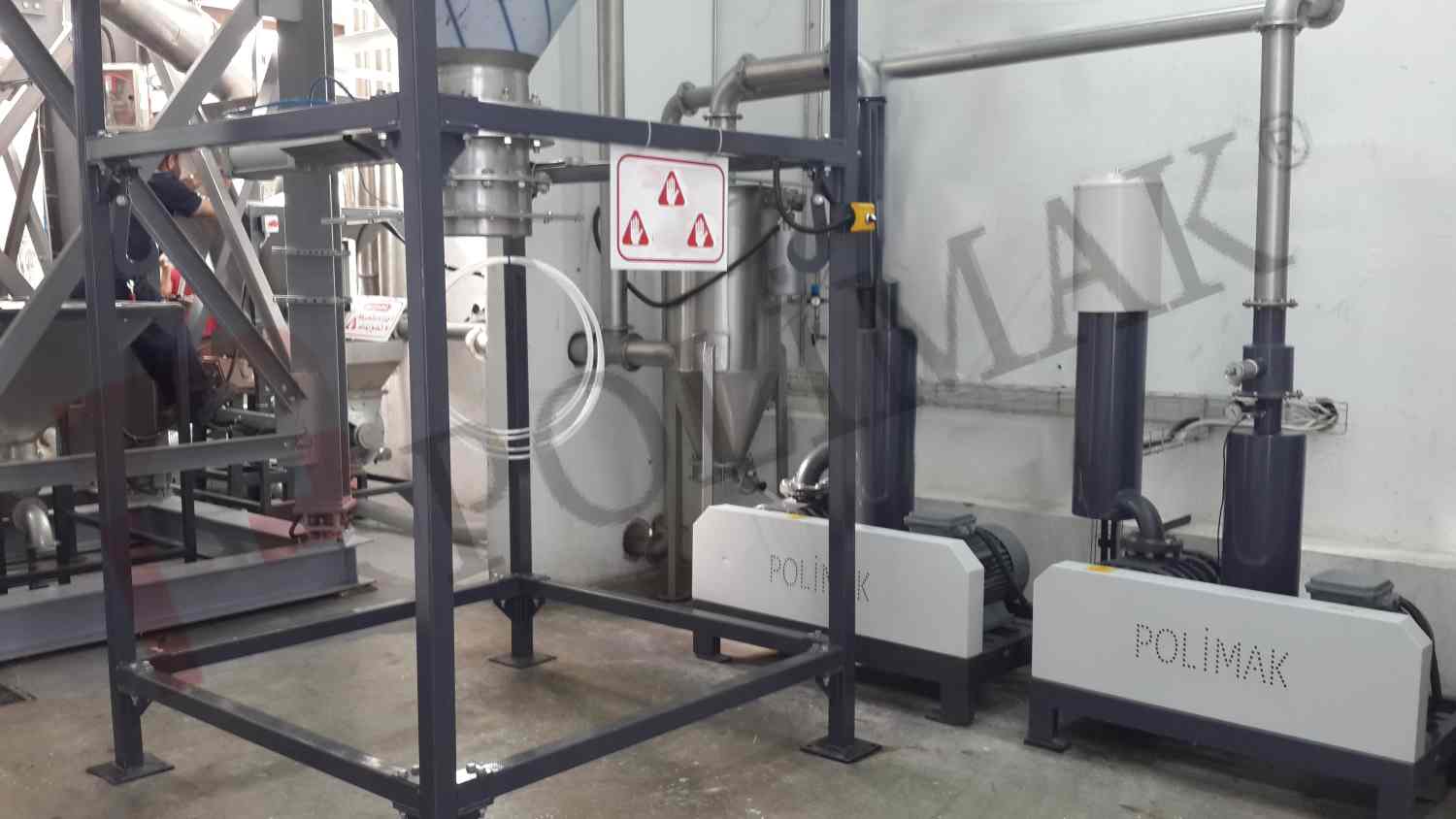
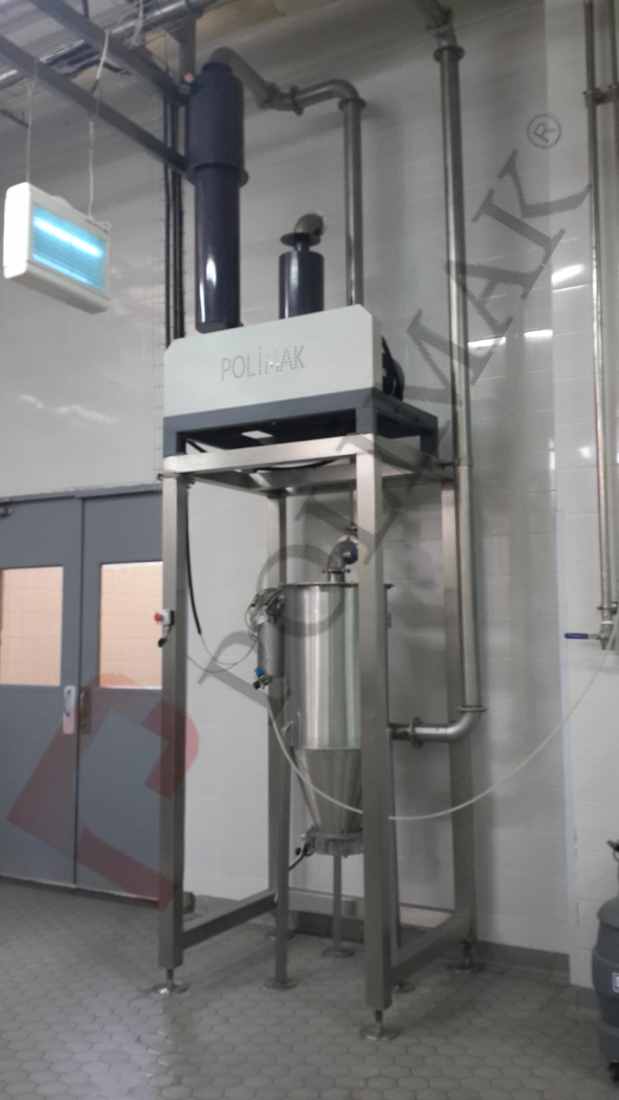
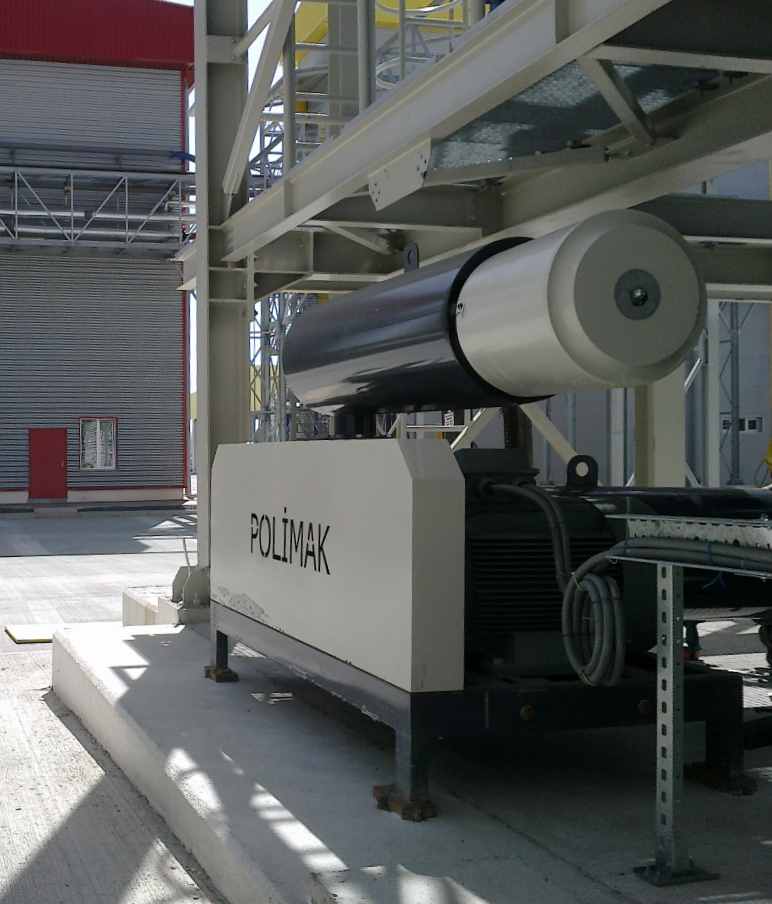
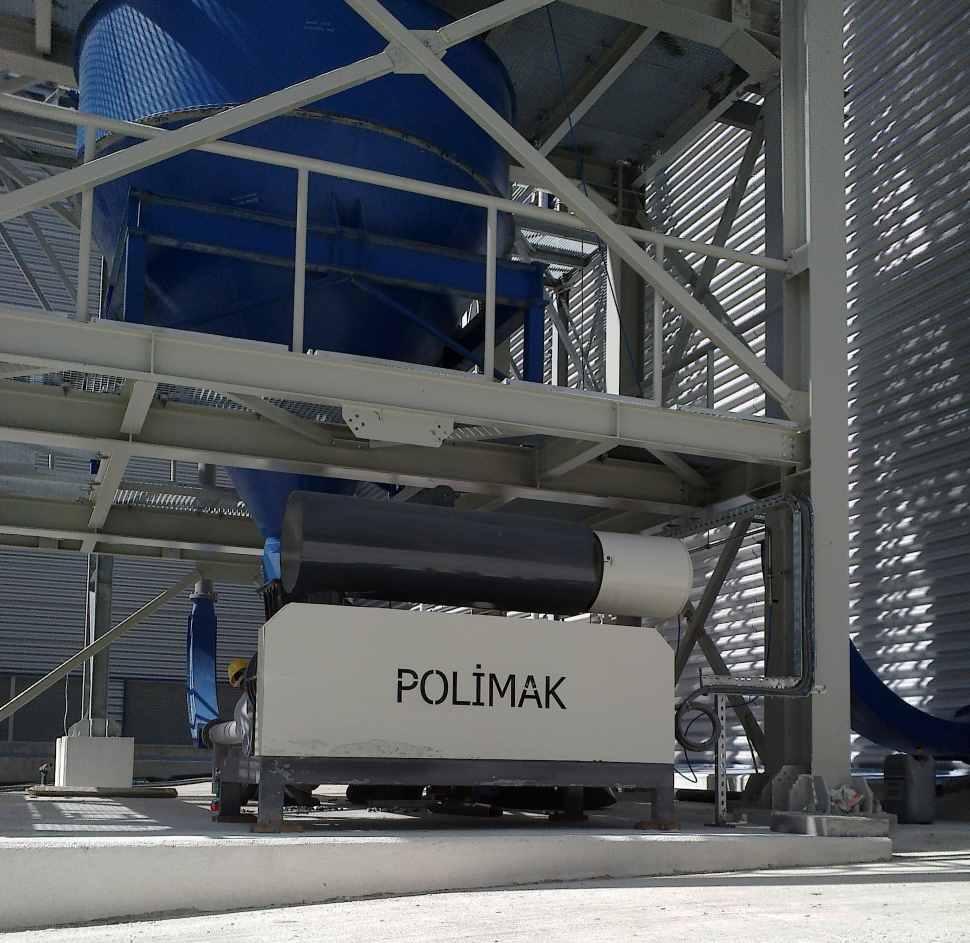
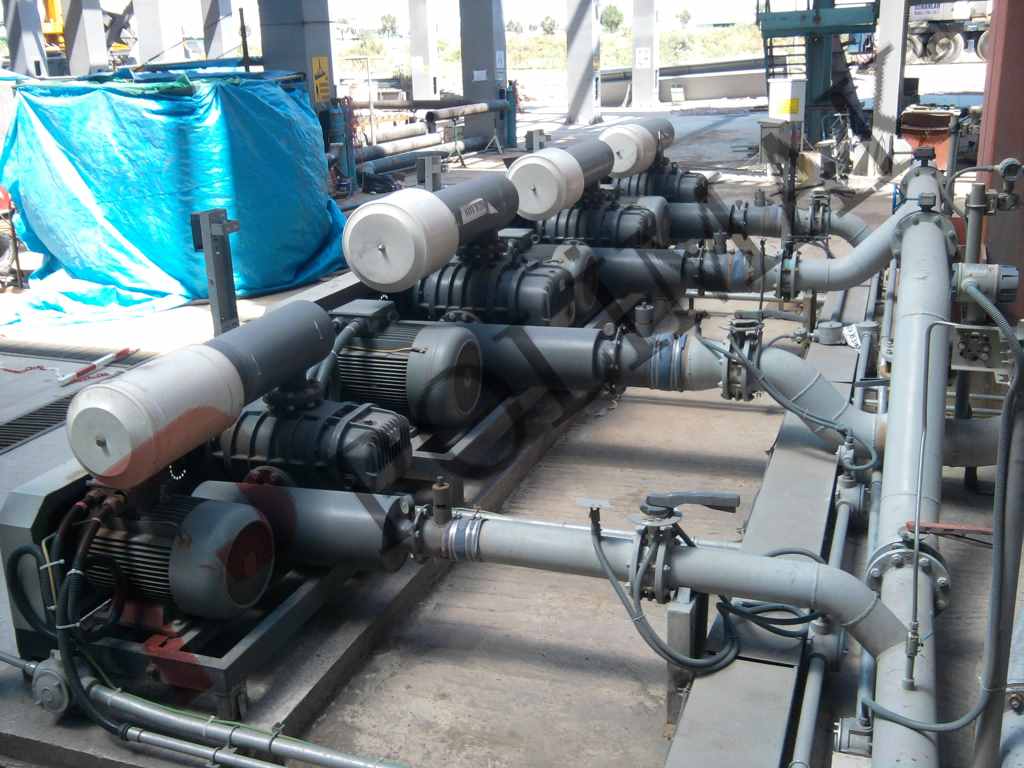
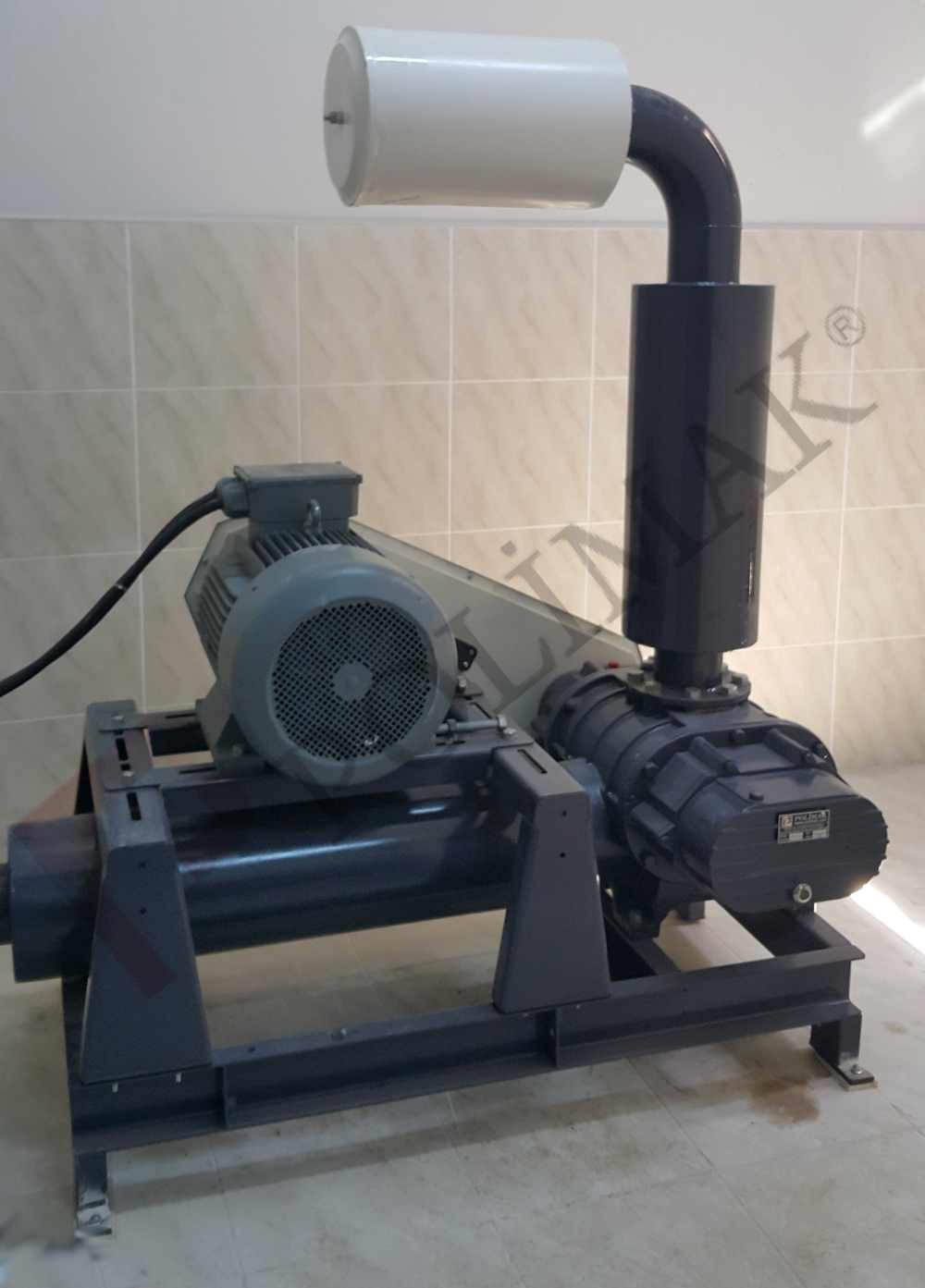
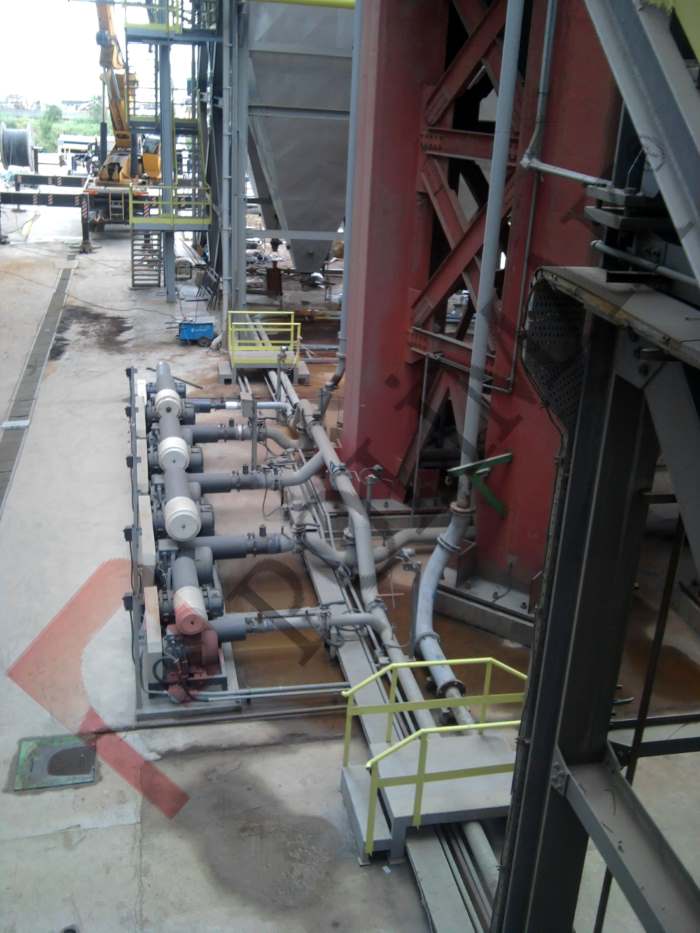
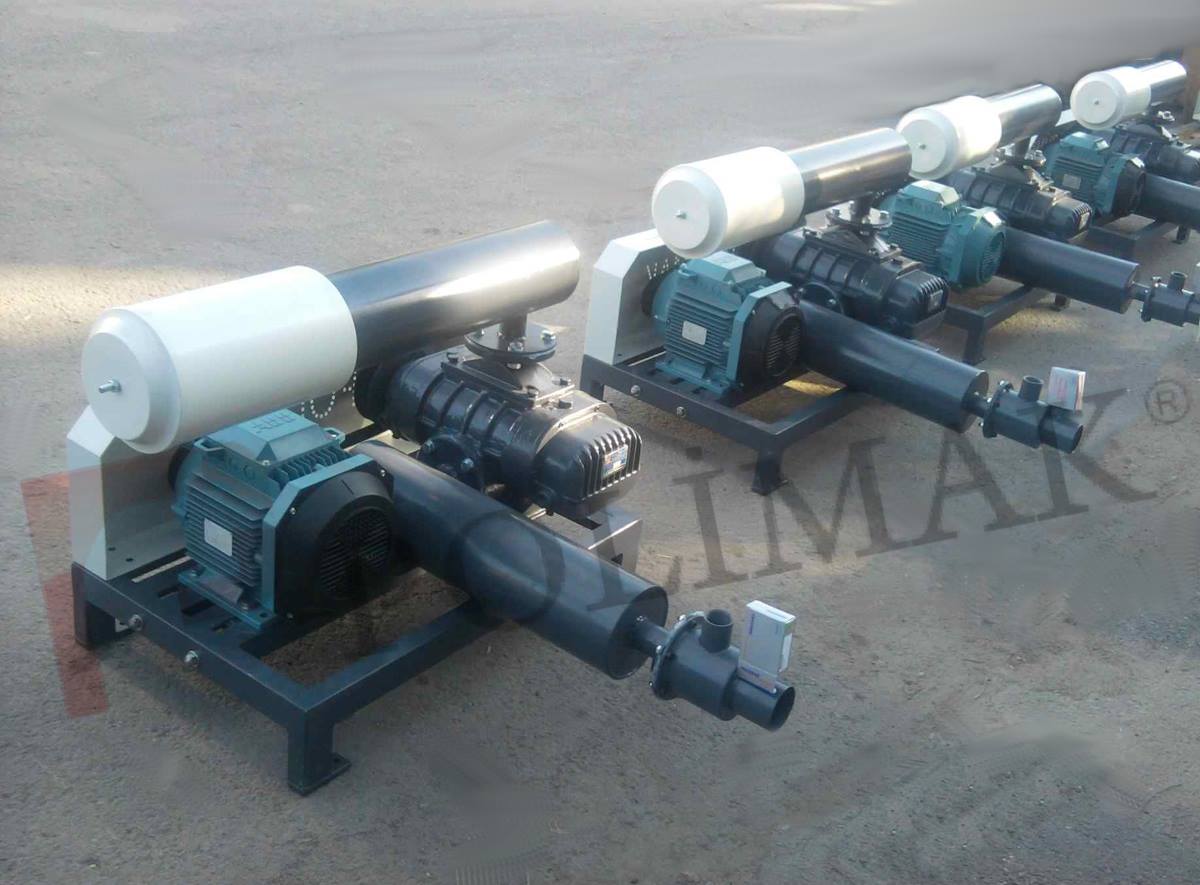
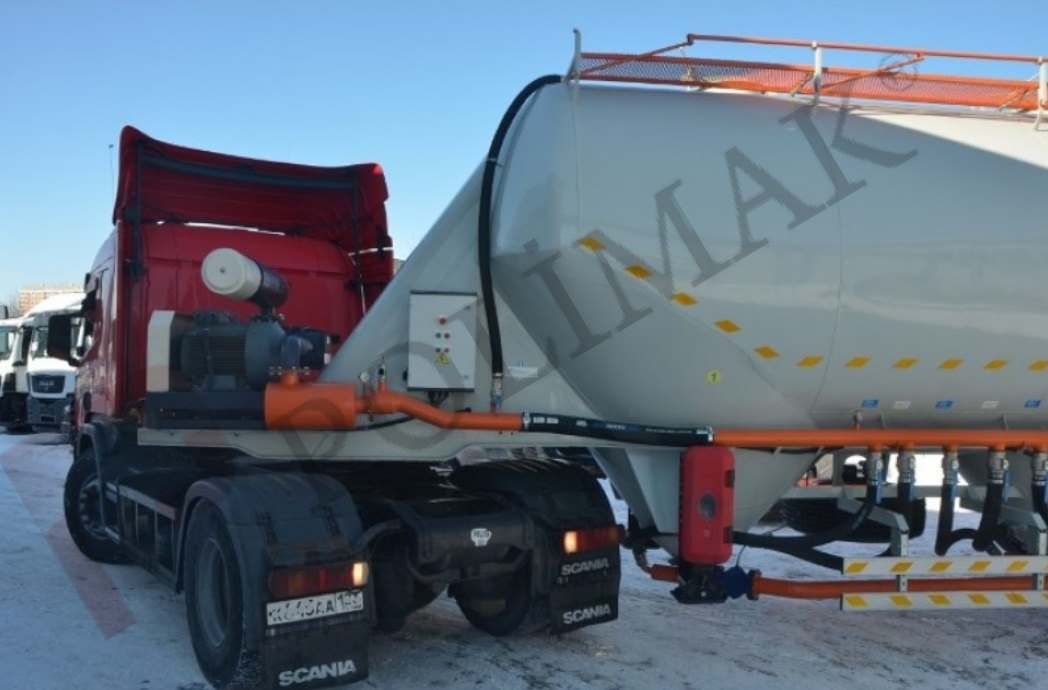
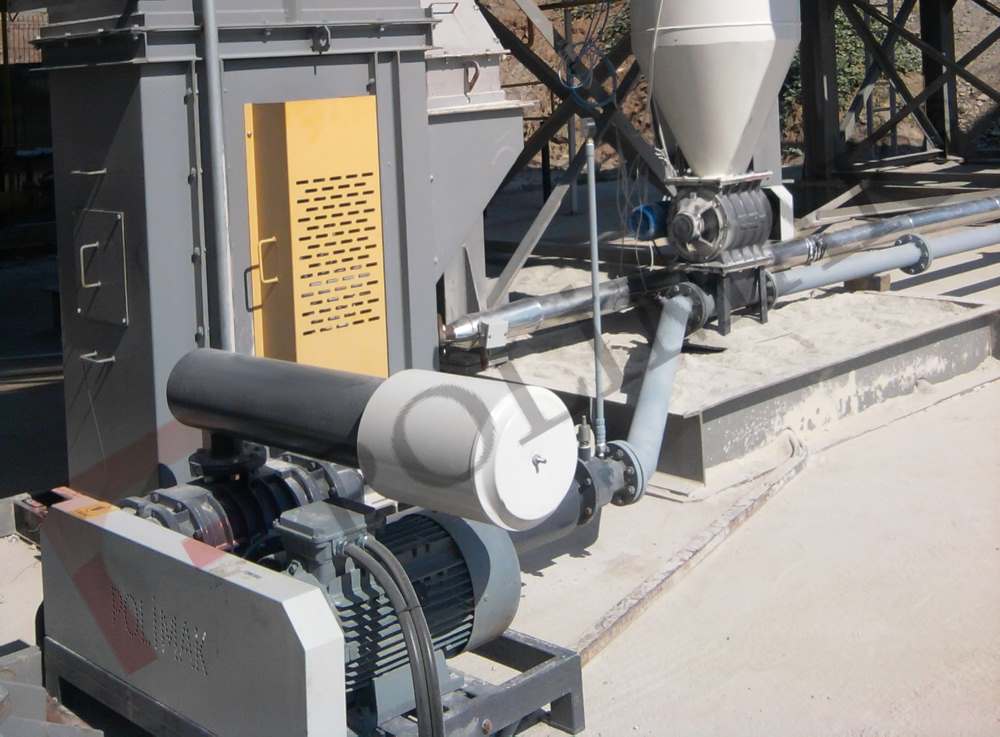
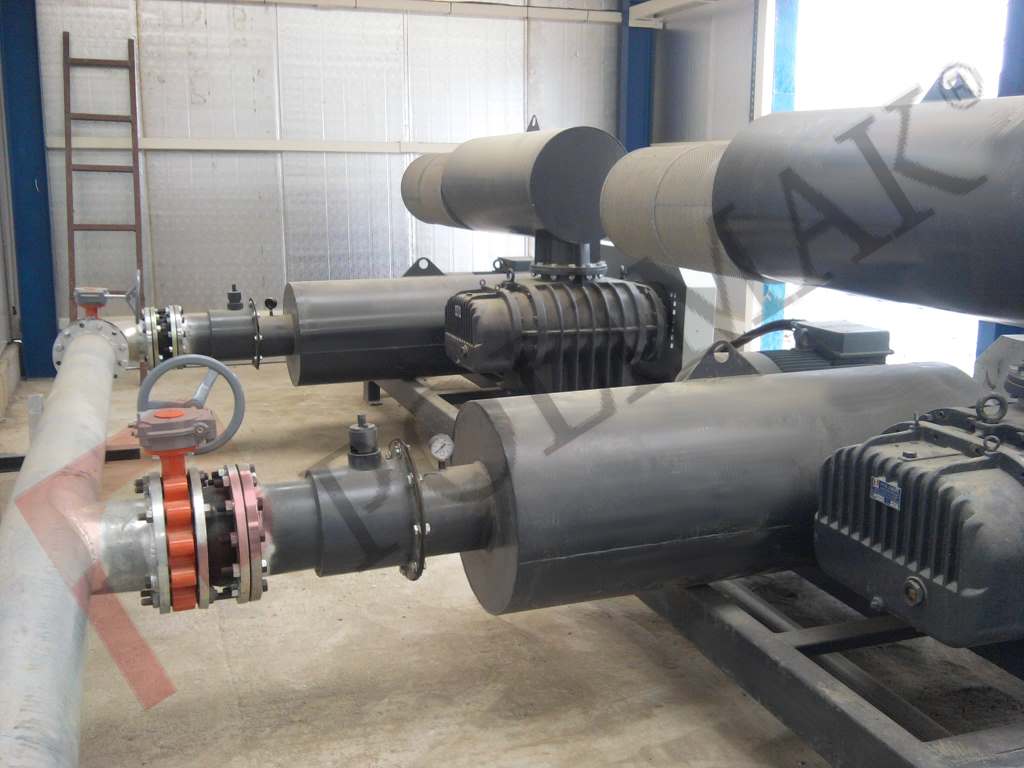
Wide range of roots blower models and configurations are available for different applications, process parameters and environment conditions.
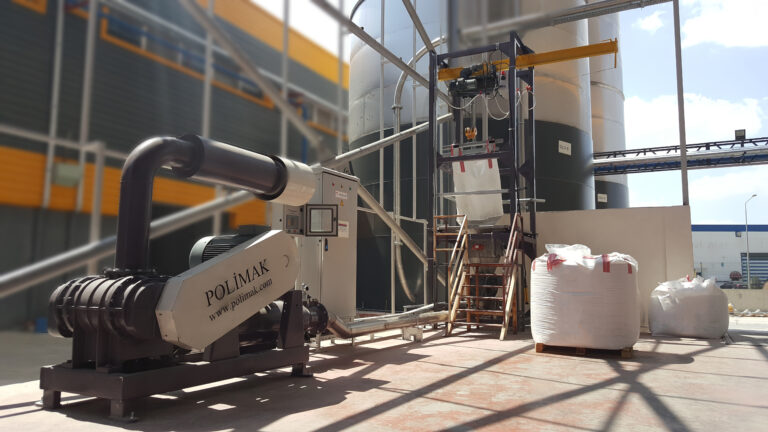
Pneumatic conveying is a simple but effective transferring system, in which bulk solid products are carried from one place to another with the help of pressurized air. Bulk material that will be transferred could be unloaded from a silo or hopper and moved to other systems such as bulk truck, silo, big bag etc.

By subscribing you agree to with our Privacy Policy and provide consent to receive updates from our company.